Harvested honey today; pulled 3 supers. I have honey bears and cut comb honey in jars. The cut comb honey is in glass mason jars please email me if you want a quote to ship.
https://www.brightonhoney.com/shop/honey-products/
AUTHOR
Ward
You may also like
My bees are alive at least some of them! Difficult to tell if others have made it. I ran out of battery while filming
I checked on the cluster when I got home and they were gone! I did see that they had started to draw […]
Plants and insects have been evolving in unison for millions of years and have benefited from an elegant symbiotic relationship. This relationship has provided plants a willing host to convey pollen in trade for valuable high energy cocktail called nectar. Residual pollen is an added bonus protein source. A new dynamic is disrupting the alignment of this interaction. Climate change is affecting this coordinated inter species relationship by disrupting the flower blooming cycle. Plants have evolved a response to the spring warming cycle that starts the flowering process in most of the northern hemisphere.
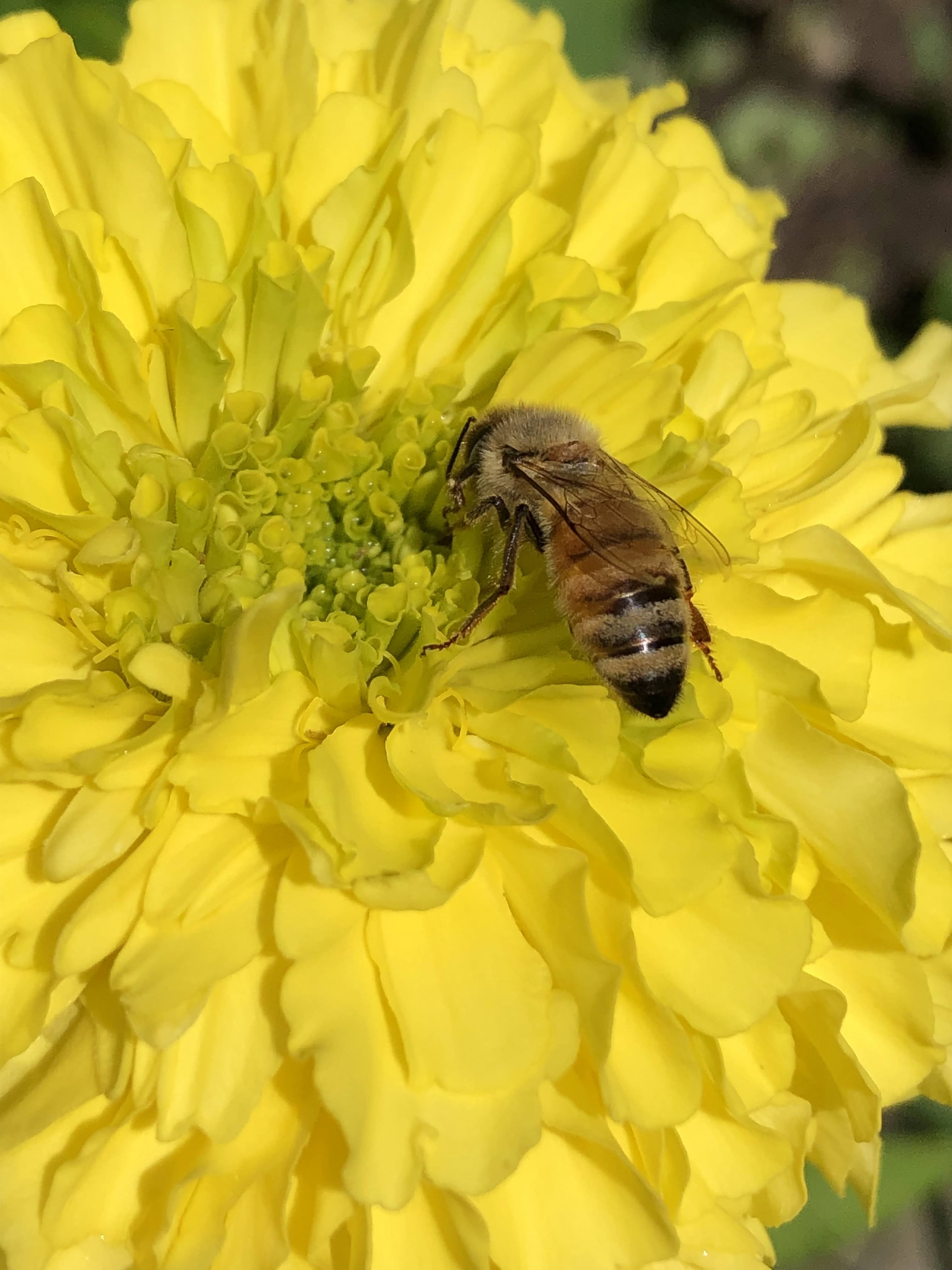
Anyone can create a welcoming garden for pollinators. Turning your own yard or other property such as a schoolyard, work landscape, or roadside green space into a pollinator habitat is fun, easy and can make a difference for birds also. Planting a few flowers for your honey bees is like adding a few gallons of water to the ocean. Honeybees need on average about a square mile of good cover to forage on. However, adding a diverse mix of flowering plants to your garden will also attract butterflies, moths, hummingbirds, along with native bee species and the occasional wasps. These insects are essential to our survival and need to be welcomed into at the least a corner of our backyards. Besides providing a food source for pollinators flowers provide cover for other wildlife such as birds and also reduce neighborhood mowing area.